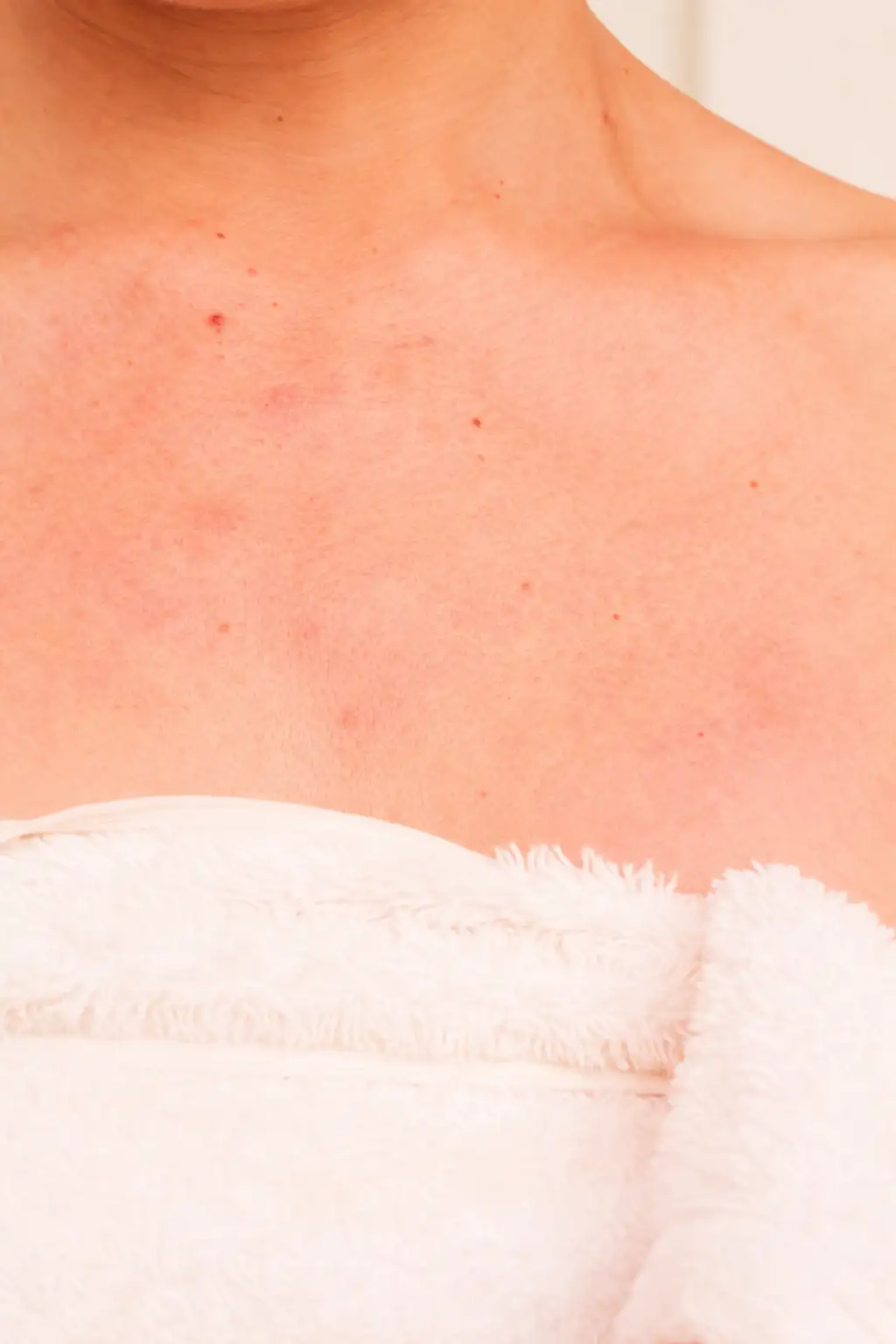
Rash Treatment

Rash Treatment Treatment
Rash Treatment Treatment Statistics and Key Information
- Patient Satisfaction Rate
- 95%
- Average Treatment Cost
- See provider pricing
- Number of Reviews
- 25672
- Treatment Downtime Duration
- Varies
- Number of Available Practitioners
- 581
Overview
Rash treatment is a broad term for the medical and supportive steps taken to soothe, clear or manage patches of irritated, inflamed or abnormal skin colour and texture. A rash isn’t a single disease object, it’s a *symptom* that lots of conditions can cause, from allergic reactions to fungal or bacterial infections or heat rash. Effective treatment depends on what’s causing it: stopping what’s triggering it, calming inflammation, and supporting the skin’s healing. ([turn0search0][turn0search6][turn0search2])
Goals of Rash Treatment treatment
- Relieve symptoms like itch, burning, swelling and discomfort.
- Address or eliminate the underlying cause where possible (e.g., fungus, allergy).
- Prevent complications such as infection from scratching or chronic inflammation.
- Help skin return to its normal appearance and function. ([turn0search0][turn0search6])
Treatment Options
- Many rashes improve with conservative care like gentle skincare, moisturisers, avoiding triggers and OTC antihistamines or hydrocortisone cream. ([turn0search0][turn0search2])
- Medical treatment targets the cause (antifungals for fungal rash, antibiotics for bacterial, antivirals for viral), whereas at-home approaches focus on symptom relief.
- Alternative or holistic approaches (diet change, stress management) can help with chronic or exacerbating factors but shouldn’t replace medical treatment for infections or severe dermatitis.
Pros
Cons
Candidate & Preparation
Appointments & Safety
What Happens During Appointment
Typical consults can be around 30–60 minutes depending on complexity. ([turn0search1])
Cost & Access
Typical Prices
- On the NHS you’d normally see a GP or dermatologist free at point of care with diagnosis and treatment prescribed as needed.
- Private dermatology clinics may charge consultation fees (e.g. ~GBP 180 in some places) and charges can be separate for tests or procedures. ([turn0search1])
- Costs vary widely if you need allergy tests, skin biopsies, prescription medications or specialist follow-ups.

What to Look for When Choosing a Doctor or Clinic
- Choose someone trained in dermatology (GP with dermatology interest or, for tricky cases, a dermatologist).
- Look for a clinician who does a thorough history and physical exam, not someone who just hands out creams. ([turn0search12])
- Good communication about likely cause, expected course of treatment, side effects and when to follow up is key.
- Access to diagnostic tests (allergy testing, swabs, biopsies) adds value if the rash is unclear.
Results & Maintenance
How Long Results Last
- For many acute rashes (allergic, irritant) effective treatment can clear the rash in days to weeks with ongoing avoidance of triggers.
- For chronic conditions (eczema, psoriasis), treatment controls symptoms rather than curing the condition, so results need maintenance. ([turn0search6])
Maintenance Requirements
- Acute rashes usually don’t need ongoing sessions once resolved if trigger avoidance is successful.
- Chronic rashes (eczema, dermatitis) often need regular maintenance creams, and periodic follow-ups with clinicians.
Regulation & Guidelines
What to Do If Something Goes Wrong
Regulation
Healthcare services in the UK, including dermatology and rash treatments, run under NHS standards and private providers regulated by the Care Quality Commission (CQC). Clinicians are registered with GMC/NMC and medicines fall under MHRA regulation.